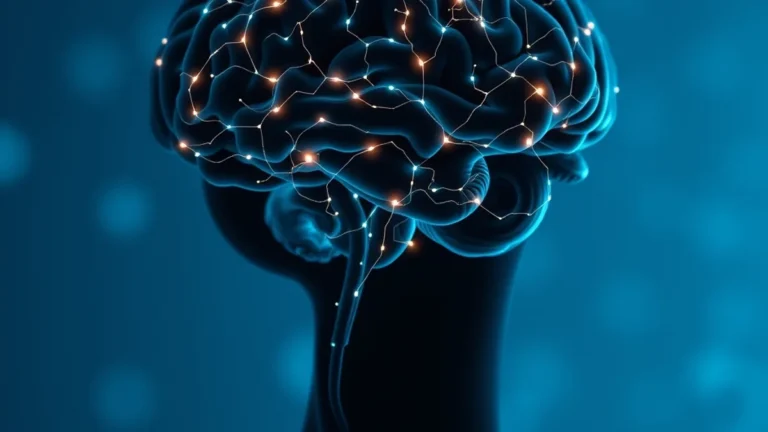
The Glymphatic System: How Sleep Cleanses the Brain of Toxins
The glymphatic system serves as a vital mechanism through which the brain clears metabolic waste, including amyloid beta, during deep sleep. This intricate network of perivascular channels facilitates the removal of neurotoxins, underscoring the essential role of sleep in maintaining cognitive health and emotional stability.
Understanding the Glymphatic System: A Deep Dive into Cerebral Detoxification
The glymphatic system, a term coined to describe the brain’s waste clearance pathway, operates primarily during sleep. This system utilizes a unique arrangement of glial cells and cerebrospinal fluid (CSF) to facilitate the removal of metabolic byproducts. Unlike the lymphatic system found throughout the body, the glymphatic system is activated predominantly during sleep, particularly during the slow-wave stages. Research indicates that the interstitial space in the brain expands during deep sleep, allowing for increased CSF flow and enhanced clearance of waste products. This process is crucial, as the accumulation of amyloid beta and other neurotoxins has been linked to neurodegenerative diseases such as Alzheimer’s.
The Stages of Sleep: A Symphony of Neurochemical Changes
Sleep is not a monolithic state; rather, it comprises distinct stages, each characterized by unique neurochemical shifts. The two primary categories of sleep—non-REM (NREM) and REM (rapid eye movement)—play different roles in the glymphatic process. During NREM sleep, particularly in the slow-wave phase, the brain exhibits a marked increase in glymphatic activity. This is attributed to the release of adenosine, a neuromodulator that promotes sleepiness and facilitates the clearance of waste. Conversely, REM sleep, while essential for emotional regulation and memory consolidation, does not significantly enhance glymphatic function. Understanding these stages illuminates the intricate relationship between sleep architecture and the brain’s detoxification processes.
Psychological Integration: The Role of Sleep in Memory Consolidation
The glymphatic system’s function extends beyond mere detoxification; it is intricately linked to memory consolidation and psychological integration. During sleep, particularly in the slow-wave phase, the brain replays and organizes experiences from the day, solidifying memories and integrating new information into existing cognitive frameworks. This process is facilitated by the glymphatic system, which clears away metabolic debris that could hinder synaptic plasticity—the brain’s ability to adapt and learn. The interplay between sleep, memory consolidation, and the glymphatic system underscores the importance of quality sleep for cognitive health and emotional resilience.
Circadian Rhythms and Sleep Optimization: Timing is Everything
The effectiveness of the glymphatic system is also influenced by circadian rhythms, the body’s internal clock that regulates sleep-wake cycles. Disruptions to these rhythms, such as those caused by shift work or irregular sleep patterns, can impair glymphatic function and, consequently, the brain’s ability to clear toxins. Research suggests that optimizing sleep schedules to align with natural circadian rhythms enhances glymphatic activity, promoting better cognitive function and emotional well-being. Strategies such as maintaining a consistent sleep schedule, minimizing blue light exposure before bedtime, and creating a conducive sleep environment can significantly improve sleep quality and, by extension, glymphatic efficiency.
The Interconnectedness of Sleep, Cognitive Function, and Emotional Health
The implications of the glymphatic system extend into the realms of cognitive function and emotional health. Chronic sleep deprivation and poor sleep quality can lead to the accumulation of neurotoxins, which may contribute to cognitive decline and increased susceptibility to mental health disorders. Studies have shown that individuals who experience consistent sleep disturbances exhibit higher levels of amyloid beta in their brains, correlating with a heightened risk for Alzheimer’s disease. Conversely, prioritizing restorative sleep not only enhances the brain’s detoxification processes but also fosters emotional equilibrium, allowing for better stress management and resilience against psychological distress.
In conclusion, the glymphatic system epitomizes the brain’s remarkable ability to maintain itself through the restorative power of sleep. By understanding the mechanisms of this system and its relationship with sleep architecture, neurochemical shifts, and psychological integration, we can appreciate the profound impact of sleep on cognitive health and emotional stability.
Honoring the restorative biology of sleep unlocks the profound subconscious intelligence that fuels waking clarity and emotional equilibrium.