Understanding REM Sleep’s Role in Trauma and Emotional Memory
Rapid Eye Movement (REM) sleep plays a pivotal role in the brain’s intricate process of emotional memory consolidation, particularly in the context of trauma. During this unique sleep phase, the brain engages in a complex interplay of neurochemical shifts and synaptic reorganization that facilitates the integration of emotional experiences into long-term memory. Understanding the architecture of REM sleep reveals how the brain processes trauma, allowing for psychological healing and resilience.
Neuroanatomy of REM Sleep: The Brain’s Emotional Playground
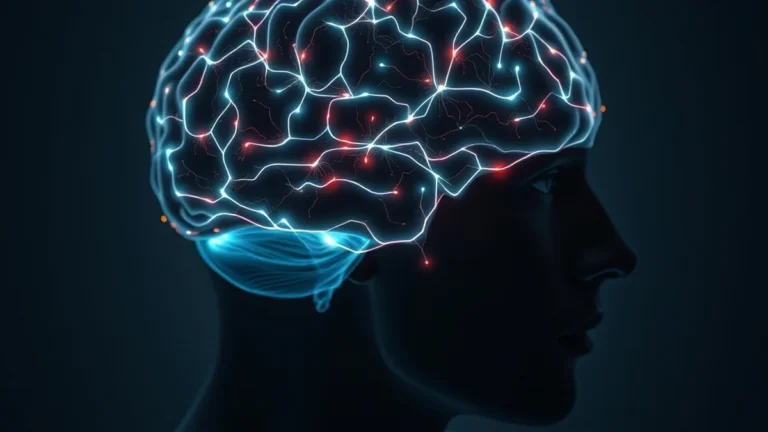
REM sleep is characterized by distinct neuroanatomical features that set it apart from other sleep stages. The brainstem, particularly the pons, plays a crucial role in initiating REM sleep, while the activation of the limbic system—especially the amygdala—highlights its emotional significance. During REM, the prefrontal cortex, responsible for higher-order cognitive functions, exhibits reduced activity, which may explain the vivid, often illogical nature of dreams. This unique state allows the brain to process emotional experiences without the constraints of rational thought, facilitating a deeper integration of traumatic memories.
Neurochemical Dynamics: The Biochemical Orchestra of REM
The neurochemical environment during REM sleep is marked by a distinct profile of neurotransmitters. Levels of norepinephrine are notably low, which is hypothesized to prevent the consolidation of explicit memories, while acetylcholine surges, promoting cortical activation and dream generation. Additionally, the release of serotonin and dopamine during REM sleep is believed to play a role in mood regulation and emotional processing. This neurochemical orchestration not only enhances the brain’s capacity to process trauma but also contributes to emotional resilience, allowing individuals to emerge from distressing experiences with a sense of clarity and understanding.
Psychological Integration: Weaving Trauma into the Narrative of Self
The process of psychological integration during REM sleep is essential for transforming raw emotional experiences into coherent narratives. This integration occurs through the reactivation of memory traces, which allows the brain to contextualize traumatic events within a broader framework of personal experience. By revisiting these memories in a safe, dream-like state, individuals can confront and reprocess their emotions, leading to a reduction in the intensity of trauma-related symptoms. This phenomenon underscores the therapeutic potential of REM sleep, as it enables the brain to weave fragmented memories into a cohesive narrative that fosters healing and personal growth.
Circadian Rhythms and REM Sleep: Synchronizing the Body’s Internal Clock
The interplay between circadian rhythms and REM sleep is vital for optimizing emotional memory consolidation. Circadian rhythms, regulated by the suprachiasmatic nucleus (SCN) in the hypothalamus, dictate the timing and duration of sleep stages throughout the night. Disruptions to these rhythms, such as irregular sleep patterns or exposure to artificial light, can impair REM sleep quality and, consequently, emotional processing. Maintaining a consistent sleep schedule and creating an environment conducive to sleep can enhance REM sleep architecture, thereby supporting the brain’s ability to process trauma effectively and promote emotional well-being.
Implications for Trauma Recovery: Harnessing the Power of REM Sleep
Understanding the relationship between REM sleep and emotional memory consolidation has profound implications for trauma recovery. Therapeutic approaches that prioritize sleep hygiene and encourage healthy sleep patterns can enhance the brain’s natural capacity for healing. Interventions such as cognitive-behavioral therapy for insomnia (CBT-I) and mindfulness practices can help individuals cultivate a restorative sleep environment, thereby optimizing REM sleep. By fostering a deeper understanding of the brain’s processing mechanisms during REM sleep, mental health professionals can better support individuals in their journey toward emotional resilience and recovery from trauma.
Honoring the restorative biology of sleep unlocks the profound subconscious intelligence that fuels waking clarity and emotional equilibrium.