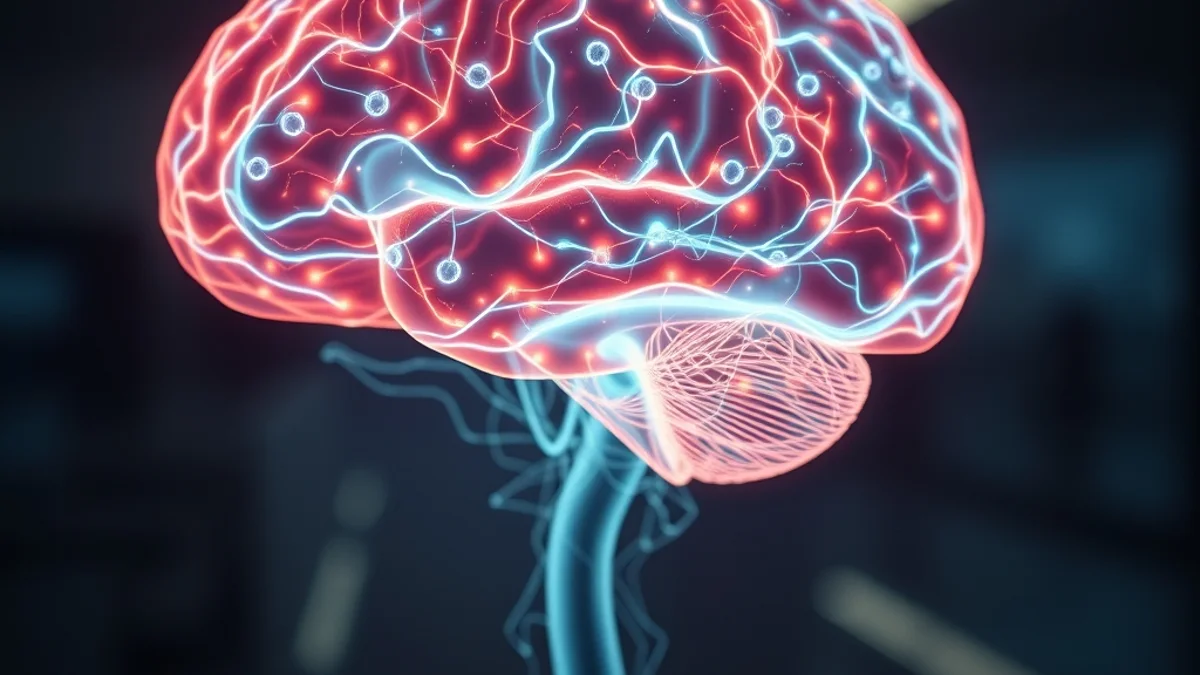
Unlocking Restorative Sleep: Circadian Phase Shifting with Sunlight
The intricate relationship between circadian rhythms and restorative sleep is a cornerstone of cognitive health and emotional well-being. By harnessing the power of morning sunlight and ambient temperature, individuals can effectively phase shift their circadian cycles, enhancing sleep architecture and optimizing neurochemical processes crucial for memory consolidation and subconscious exploration.
The Neurobiology of Circadian Rhythms and Sleep Architecture
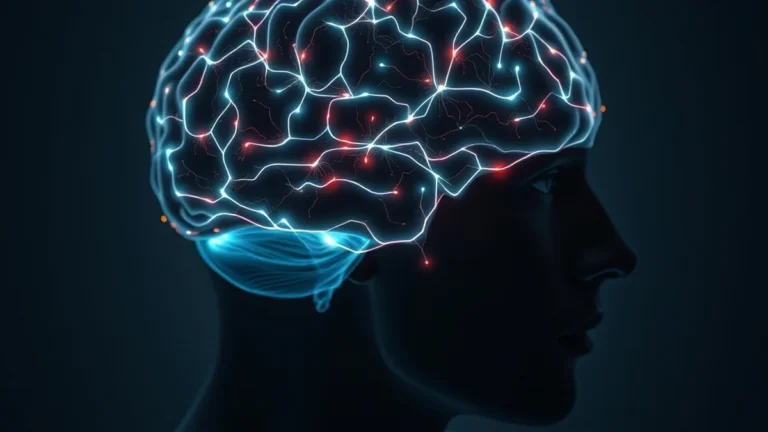
Circadian rhythms, governed by the suprachiasmatic nucleus (SCN) in the hypothalamus, orchestrate a myriad of physiological processes, including sleep-wake cycles. These rhythms are influenced by external cues, or zeitgebers, with light being the most potent. Morning sunlight exposure serves as a critical signal that helps reset the biological clock, promoting the release of cortisol and suppressing melatonin during daylight hours. This diurnal pattern is essential for maintaining the integrity of sleep architecture, characterized by distinct stages that include REM and non-REM sleep. Each stage plays a vital role in cognitive functions, such as memory consolidation, emotional regulation, and overall brain health.
The Role of Light in Neurochemical Regulation
Light exposure, particularly in the morning, triggers a cascade of neurochemical shifts that facilitate alertness and cognitive function throughout the day. The photoreceptors in the retina, specifically intrinsically photosensitive retinal ganglion cells, relay information about ambient light to the SCN. This process stimulates the production of neurotransmitters such as serotonin, which is a precursor to melatonin, the hormone responsible for sleep onset. By strategically timing light exposure, individuals can enhance serotonin levels during the day, leading to improved mood and cognitive performance, while also ensuring that melatonin production is optimized for restful sleep at night.
Temperature Regulation and Sleep Quality
Temperature plays a pivotal role in sleep quality and overall circadian regulation. The human body naturally experiences a decline in core temperature during the night, which is essential for initiating and maintaining sleep. Morning exposure to sunlight not only influences hormonal regulation but also impacts thermoregulation. Engaging in light physical activity outdoors can enhance this effect, as it raises body temperature during the day and promotes a more significant drop at night. This temperature gradient is crucial for facilitating the transition into deeper stages of sleep, particularly slow-wave sleep (SWS), which is vital for physical restoration and memory consolidation.
Psychological Integration: The Subconscious Mind and Sleep
The subconscious mind operates in a realm that is profoundly influenced by sleep quality and architecture. During REM sleep, the brain engages in emotional processing and memory integration, allowing individuals to navigate complex thoughts and feelings. The interplay between sleep and psychological health is underscored by the phenomenon of lucid dreaming, where individuals become aware of their dreams and can manipulate them. By optimizing circadian rhythms through morning sunlight and temperature regulation, individuals can enhance their REM sleep duration, thereby fostering a richer landscape for subconscious exploration and emotional healing.
Practical Strategies for Circadian Phase Shifting
To effectively harness the benefits of morning sunlight and temperature for restorative sleep, individuals can adopt several practical strategies. First, aim to expose yourself to natural light within the first hour of waking; this could involve a morning walk or simply sitting by a window. Second, consider incorporating light exercise into your morning routine, as this not only boosts mood but also aids in thermoregulation. Additionally, create a cool, dark, and quiet sleep environment to facilitate the natural drop in body temperature at night. Lastly, maintain a consistent sleep schedule, going to bed and waking up at the same time each day, to reinforce your circadian rhythms.
Honoring the restorative biology of sleep unlocks the profound subconscious intelligence that fuels waking clarity and emotional equilibrium.