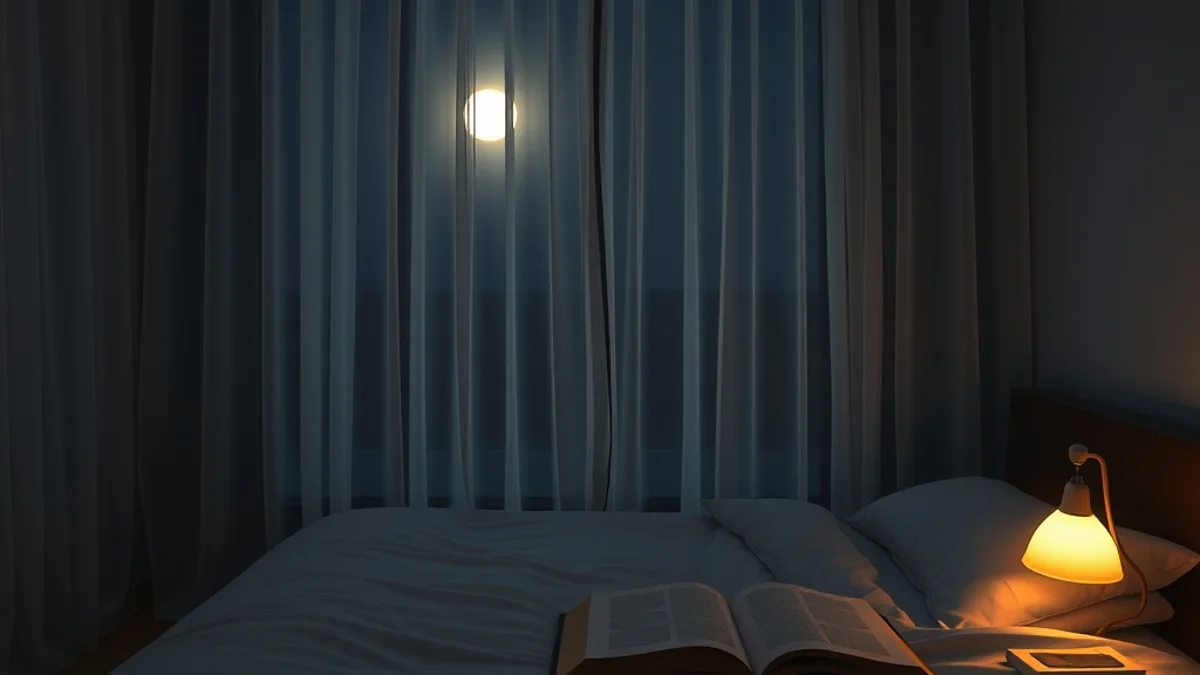
5 Tips to Reset Your Circadian Rhythm After Daylight Saving Time
Daylight Saving Time (DST) disrupts our circadian rhythms, the internal biological clocks that regulate sleep-wake cycles. As we spring forward or fall back, the abrupt change can lead to sleep disturbances, cognitive impairments, and mood fluctuations. Resetting your circadian rhythm post-DST is crucial for maintaining optimal health and cognitive function.
Understanding the Neurobiology of Circadian Rhythms
Circadian rhythms are governed by the suprachiasmatic nucleus (SCN) in the hypothalamus, which synchronizes bodily functions with the 24-hour day-night cycle. This intricate system relies on external cues, primarily light, to regulate melatonin production and other neurochemical processes. When DST alters the timing of light exposure, it can desynchronize the SCN from the external environment, leading to disruptions in sleep architecture. Research indicates that this misalignment can affect not only sleep quality but also cognitive performance and emotional stability, underscoring the importance of timely interventions.
Gradual Light Exposure: A Key to Resetting Your Internal Clock
One of the most effective strategies for recalibrating your circadian rhythm involves manipulating light exposure. Gradual exposure to natural light in the morning can help signal to your SCN that it is time to wake up, thereby promoting alertness and enhancing mood. Conversely, reducing light exposure in the evening can facilitate the production of melatonin, the hormone responsible for sleep onset. Aim to spend at least 30 minutes outdoors shortly after waking, and consider using blackout curtains or blue light filters in the evening to minimize artificial light exposure. This dual approach can significantly aid in re-establishing a healthy sleep-wake cycle.
The Role of Sleep Architecture in Circadian Realignment
Understanding sleep architecture—the structure and pattern of sleep cycles—is crucial for effective circadian reset. Sleep consists of various stages, including REM and non-REM sleep, each playing a unique role in cognitive function and emotional regulation. Disruptions caused by DST can lead to fragmented sleep, reducing the proportion of restorative deep sleep and impairing memory consolidation processes. To counteract this, prioritize a consistent sleep schedule, aiming for 7-9 hours of sleep per night. This consistency reinforces the body’s natural rhythms and enhances the restorative functions of sleep, including memory consolidation and emotional processing.
Neurochemical Shifts: Balancing Cortisol and Melatonin
The transition into and out of DST can lead to imbalances in neurochemicals such as cortisol and melatonin. Cortisol, often referred to as the stress hormone, typically peaks in the morning and gradually declines throughout the day. Disruptions in sleep can cause cortisol levels to remain elevated, contributing to feelings of fatigue and irritability. Conversely, melatonin levels may not rise appropriately in the evening, delaying sleep onset. To restore balance, engage in relaxation techniques such as mindfulness meditation or deep breathing exercises before bedtime. These practices can lower cortisol levels and promote melatonin production, facilitating a smoother transition back to a normal sleep-wake cycle.
Psychological Integration: The Impact of Sleep on Emotional Resilience
Sleep is not merely a passive state but an active process that influences emotional regulation and psychological resilience. Research has shown that inadequate sleep can exacerbate negative emotional states and impair decision-making abilities. After the clock change, individuals may experience heightened anxiety or irritability, making it essential to integrate psychological strategies that promote emotional well-being. Journaling, cognitive behavioral techniques, or engaging in positive social interactions can help mitigate the emotional fallout of disrupted sleep. By fostering a supportive environment and practicing self-compassion, individuals can enhance their psychological resilience during this transitional period.
In conclusion, resetting your circadian rhythm after Daylight Saving Time is a multifaceted process that requires an understanding of the neurobiological mechanisms underlying sleep, light exposure, sleep architecture, neurochemical balance, and emotional integration. By implementing these strategies, you can not only restore your sleep patterns but also enhance your overall cognitive and emotional health. Honoring the restorative biology of sleep unlocks the profound subconscious intelligence that fuels waking clarity and emotional equilibrium.