Breaking the Cycle: How Surgical Pain Disrupts Sleep Patterns
The interplay between surgical pain and sleep disturbance creates a perilous cycle that can impede recovery and exacerbate psychological distress. Understanding the neurobiological mechanisms behind this relationship is crucial for developing effective interventions that promote restorative sleep and alleviate pain, ultimately enhancing patient outcomes.
Neurobiological Underpinnings of Pain-Induced Sleep Disruption
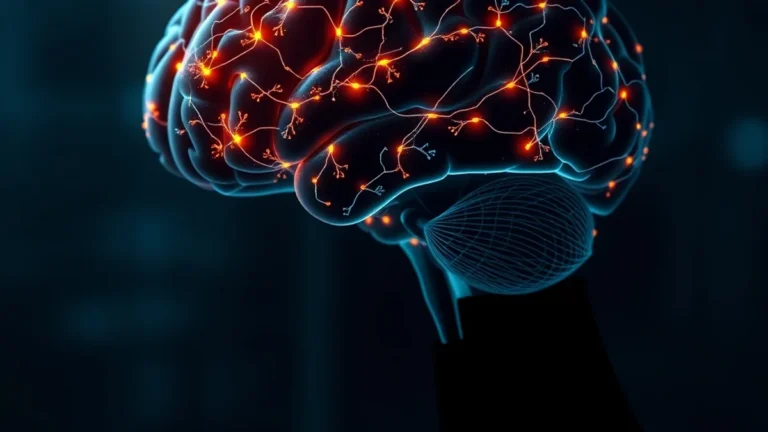
Surgical pain activates complex neurobiological pathways that disrupt sleep architecture, primarily through the modulation of neurotransmitters and hormones. Pain signals are transmitted via nociceptive pathways to the brain, where they can alter the balance of sleep-promoting and wakefulness-promoting neurochemicals. For instance, elevated levels of pro-inflammatory cytokines during pain episodes can inhibit the production of gamma-aminobutyric acid (GABA), a key neurotransmitter that facilitates sleep onset and maintenance. This disruption can lead to a decrease in slow-wave sleep (SWS) and rapid eye movement (REM) sleep, both critical for physical and cognitive recovery.
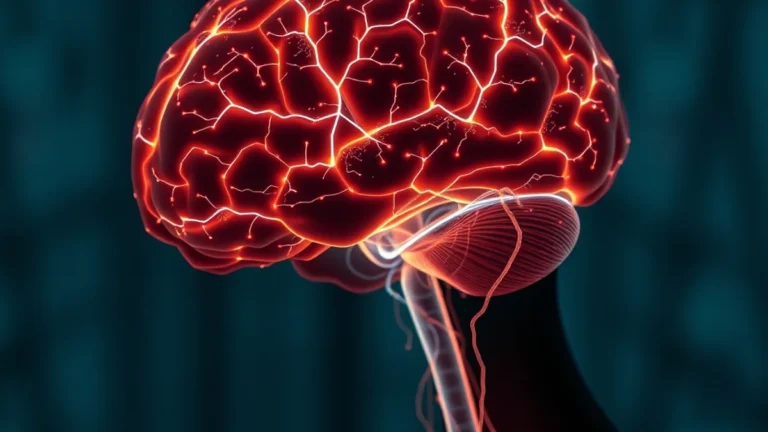
Moreover, the hypothalamic-pituitary-adrenal (HPA) axis is activated in response to pain, resulting in increased cortisol levels. Elevated cortisol can further exacerbate sleep disturbances by shifting the circadian rhythm, delaying sleep onset, and reducing overall sleep quality. The bidirectional relationship between pain and sleep is evident; not only does pain disrupt sleep, but poor sleep can also amplify the perception of pain, creating a vicious cycle that can be challenging to break.
Sleep Architecture: The Role of REM and SWS in Pain Management
Understanding the distinct phases of sleep is essential for grasping how they relate to pain management post-surgery. REM sleep, characterized by heightened brain activity and vivid dreaming, plays a pivotal role in emotional processing and memory consolidation. This phase is particularly important for integrating traumatic experiences, such as surgical interventions, into long-term memory. Disruptions in REM sleep can hinder this process, leading to increased anxiety and a heightened perception of pain.
Conversely, slow-wave sleep (SWS) is crucial for physical restoration and immune function. During SWS, the body releases growth hormone, which is vital for tissue repair and regeneration. Insufficient SWS can impair recovery from surgery, prolonging pain and increasing the risk of chronic pain syndromes. Therefore, strategies aimed at enhancing both REM and SWS are essential in mitigating the negative impacts of surgical pain on sleep quality and overall recovery.
Cognitive and Psychological Integration: Addressing Pain Perception
The psychological aspect of pain perception cannot be overlooked in the context of sleep disturbances. Cognitive-behavioral mechanisms play a significant role in how patients experience and cope with pain. Catastrophizing, or the tendency to ruminate on pain and its implications, can exacerbate both pain and sleep disturbances. Techniques such as cognitive restructuring and mindfulness-based interventions have shown promise in altering these maladaptive thought patterns, thereby reducing pain perception and improving sleep quality.
Additionally, the integration of psychological support during the postoperative period can facilitate emotional processing and enhance resilience. By addressing the cognitive and emotional components of pain, patients may experience a reduction in anxiety and an improvement in sleep, breaking the cycle of pain-induced sleep disruption. This integrative approach underscores the importance of considering the mind-body connection in pain management and sleep optimization.
Circadian Rhythms and Their Impact on Post-Surgical Recovery
Circadian rhythms, the body’s internal clock, significantly influence sleep patterns and overall health. Disruption of these rhythms can occur due to surgical stress, pain, and environmental factors, such as light exposure and hospital routines. Maintaining a stable circadian rhythm is crucial for promoting restorative sleep, which in turn supports recovery from surgery.
Research indicates that aligning sleep-wake cycles with natural light-dark patterns can enhance sleep quality and reduce pain perception. Light exposure during the day can help regulate melatonin production, a hormone that promotes sleep. Conversely, minimizing light exposure in the evening can facilitate the onset of sleep. Implementing strategies to optimize circadian rhythms, such as exposure to natural light and maintaining consistent sleep schedules, can significantly improve postoperative recovery outcomes.
Interventions for Breaking the Cycle: A Multidisciplinary Approach
To effectively break the cycle between surgical pain and sleep disturbance, a multidisciplinary approach is essential. Pharmacological interventions, such as analgesics and sleep aids, can provide immediate relief; however, they should be complemented by non-pharmacological strategies. Cognitive-behavioral therapy for insomnia (CBT-I) has been shown to be effective in improving sleep quality and reducing pain perception in postoperative patients.
Additionally, incorporating physical therapy and gentle movement can enhance recovery by promoting blood flow and reducing muscle tension, which may alleviate pain and improve sleep. Mindfulness and relaxation techniques, such as guided imagery and progressive muscle relaxation, can also help manage pain and promote a sense of calm, facilitating better sleep.
In conclusion, addressing the intricate relationship between surgical pain and sleep disturbance requires a comprehensive understanding of the underlying neurobiological mechanisms and psychological factors. By implementing a multidisciplinary approach that includes cognitive, behavioral, and physiological strategies, healthcare providers can help patients navigate the challenges of recovery, ultimately fostering a healthier sleep-wake cycle.
Honoring the restorative biology of sleep unlocks the profound subconscious intelligence that fuels waking clarity and emotional equilibrium.