Understanding Nightmares vs. Night Terrors: Key Differences Explained
Nightmares and night terrors, while both disruptive sleep phenomena, arise from distinct mechanisms within the complex architecture of sleep. Understanding these differences is crucial for addressing their impact on mental health and overall well-being. This exploration delves into the neurobiological underpinnings and psychological implications of these nocturnal disturbances, illuminating the pathways through which they manifest.
Neurophysiological Mechanisms: Dissecting REM and NREM Sleep
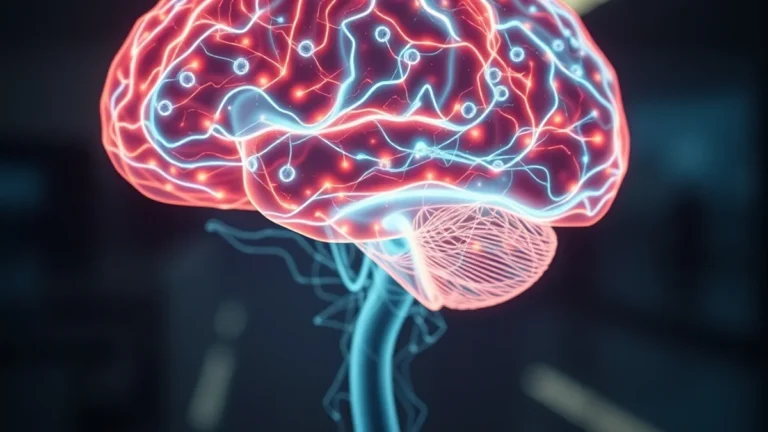
Nightmares predominantly occur during rapid eye movement (REM) sleep, a phase characterized by heightened brain activity and vivid dreaming. This state is essential for emotional processing and memory consolidation, allowing individuals to integrate daily experiences into long-term memory. In contrast, night terrors typically manifest during non-REM (NREM) sleep, specifically in the slow-wave sleep (SWS) phase. During SWS, the brain exhibits synchronized neural oscillations, promoting restorative functions and physical recovery. The divergence in sleep stages highlights the underlying neurophysiological mechanisms that contribute to these phenomena, with nightmares linked to emotional dysregulation and night terrors associated with arousal responses.
Neurochemical Shifts: The Role of Neurotransmitters
The neurochemical landscape of sleep plays a pivotal role in the emergence of nightmares and night terrors. During REM sleep, neurotransmitters such as acetylcholine surge, facilitating vivid dream experiences and emotional processing. Conversely, during NREM sleep, particularly in the slow-wave phase, the neurotransmitter gamma-aminobutyric acid (GABA) predominates, promoting calmness and stability. The interplay between these neurotransmitters can influence the likelihood of experiencing nightmares or night terrors. For instance, disruptions in the balance of these chemicals, often exacerbated by stress or sleep deprivation, can lead to increased occurrences of both phenomena, highlighting the importance of maintaining neurochemical equilibrium for optimal sleep health.
Psychological Integration: The Impact of Trauma and Stress
Nightmares often serve as a psychological mechanism for processing trauma and stress. They can reflect unresolved conflicts, fears, or anxieties that the mind attempts to navigate during sleep. This phenomenon is particularly evident in individuals with post-traumatic stress disorder (PTSD), where recurrent nightmares serve as a manifestation of their traumatic experiences. In contrast, night terrors are less connected to conscious emotional processing and are often triggered by physiological factors such as sleep deprivation, fever, or irregular sleep schedules. Understanding the psychological dimensions of these disturbances can inform therapeutic approaches, emphasizing the need for tailored interventions that address the specific underlying causes.
Circadian Optimization: Enhancing Sleep Quality for Emotional Resilience
Optimizing circadian rhythms is crucial for mitigating the frequency and intensity of nightmares and night terrors. Disruptions to the natural sleep-wake cycle can exacerbate sleep disturbances, leading to increased emotional reactivity and impaired cognitive function. Strategies such as maintaining a consistent sleep schedule, creating a restful sleep environment, and minimizing exposure to blue light before bedtime can enhance sleep quality and promote emotional resilience. Furthermore, incorporating relaxation techniques such as mindfulness meditation or deep-breathing exercises can foster a sense of calm, reducing the likelihood of experiencing distressing dreams or arousals during the night.
Clinical Implications: Tailoring Interventions for Sleep Disturbances
Addressing nightmares and night terrors requires a nuanced understanding of their distinct characteristics and underlying mechanisms. Therapeutic interventions may include cognitive-behavioral therapy for nightmares, which focuses on reframing distressing thoughts and fostering positive imagery. For night terrors, establishing a stable sleep routine and addressing potential physiological triggers can be effective. Additionally, pharmacological approaches may be considered in severe cases, particularly when sleep disturbances significantly impact daily functioning. Clinicians must adopt a comprehensive approach that considers the individual’s sleep architecture, psychological history, and lifestyle factors to effectively manage these disturbances.
Honoring the restorative biology of sleep unlocks the profound subconscious intelligence that fuels waking clarity and emotional equilibrium.