How Enriched Environments Transform Brain Connectivity and Health
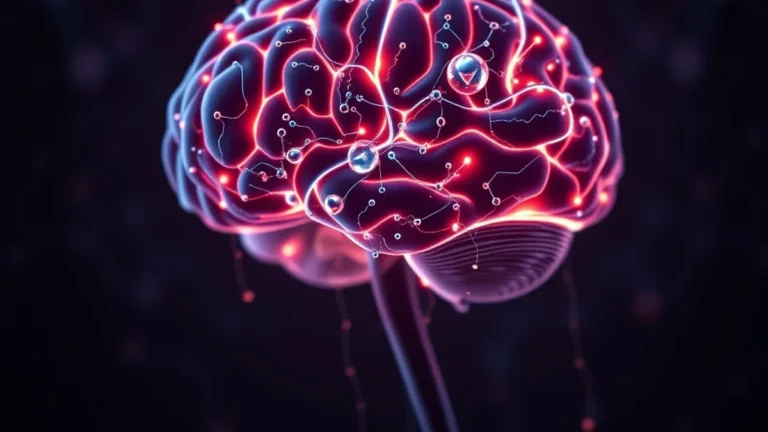
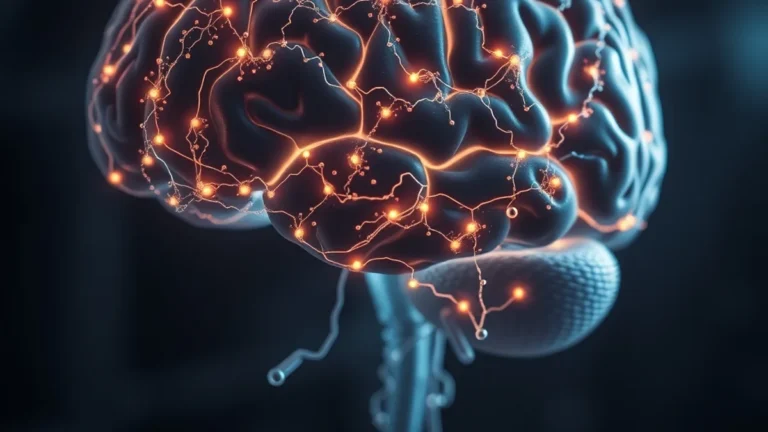
The concept of enriched environments has profound implications for understanding brain plasticity and cognitive resilience. By fostering complex, stimulating surroundings, we can activate shared synaptic gene networks that facilitate synaptic rewiring, ultimately enhancing neural circuits and neurotransmitter dynamics. This editorial explores the intricate mechanisms by which enriched environments influence brain health through neurochemical cascades and behavioral protocols.
Neurochemical Cascades: The Role of Dopamine and Glutamate
Enriched environments are characterized by increased sensory, social, and cognitive stimuli, which significantly impact the brain’s neurochemical landscape. Central to this process are neurotransmitters such as dopamine and glutamate. Dopamine, often referred to as the “reward” neurotransmitter, plays a pivotal role in motivation and reinforcement learning. In enriched settings, the release of dopamine is heightened, facilitating synaptic plasticity and promoting the formation of new neural connections.
Simultaneously, glutamate, the primary excitatory neurotransmitter, is crucial for synaptic transmission and plasticity. Enriched environments enhance glutamatergic signaling, leading to long-term potentiation (LTP) in key brain regions such as the hippocampus and prefrontal cortex. This synaptic strengthening is essential for learning and memory, as it enables the brain to encode and retrieve information more effectively. The interplay between dopamine and glutamate in enriched environments creates a robust framework for cognitive enhancement and emotional regulation.
Prefrontal Cortex Regulation: Executive Function and Behavioral Adaptation
The prefrontal cortex (PFC) is integral to executive functions, including decision-making, impulse control, and social behavior. Enriched environments have been shown to enhance the structural and functional integrity of the PFC, promoting adaptive behavioral responses. This enhancement is mediated by increased levels of serotonin, which modulates mood and cognition, and GABA, which provides inhibitory control over excitatory processes.
Research indicates that exposure to enriched environments leads to increased dendritic branching and synaptogenesis in the PFC. These structural changes are accompanied by improved cognitive flexibility and emotional regulation, allowing individuals to adapt to novel challenges more effectively. The synergistic effects of serotonin and GABA in this context underscore the importance of a balanced neurochemical environment for optimal PFC functioning.
Synaptic Rewiring: Mechanisms of Neuroplasticity in Response to Stimuli
The concept of synaptic rewiring is central to understanding how enriched environments can lead to lasting changes in brain architecture. Neuroplasticity, the brain’s ability to reorganize itself by forming new neural connections, is driven by both intrinsic and extrinsic factors. Enriched environments serve as potent extrinsic stimuli that activate shared synaptic gene networks involved in neuroplasticity.
Key molecular players in this process include brain-derived neurotrophic factor (BDNF) and activity-regulated cytoskeleton-associated protein (Arc). BDNF promotes the survival of existing neurons and encourages the growth of new synapses, while Arc is crucial for the consolidation of synaptic changes associated with learning. The upregulation of these proteins in response to enriched environments highlights the dynamic nature of synaptic rewiring and its potential to enhance cognitive function and emotional well-being.
Empirical Behavioral Protocols: Designing Enrichment for Cognitive Enhancement
To harness the benefits of enriched environments, it is essential to implement empirical behavioral protocols that promote cognitive and emotional resilience. These protocols can include a combination of physical exercise, social interactions, and cognitive challenges. For instance, engaging in regular aerobic exercise has been shown to increase BDNF levels, thereby enhancing neuroplasticity and cognitive function.
Social interactions are equally important, as they stimulate the release of oxytocin, which fosters social bonding and reduces stress. Cognitive challenges, such as learning new skills or engaging in problem-solving tasks, can further activate the brain’s reward systems, promoting dopamine release and synaptic strengthening. By integrating these elements into daily routines, individuals can create enriched environments that support sustained cognitive health and emotional stability.
Long-Term Implications: Cognitive Resilience and Lifelong Learning
The long-term implications of enriched environments extend beyond immediate cognitive enhancements. Engaging in stimulating activities and fostering social connections can lead to a cumulative effect on brain health, contributing to cognitive resilience throughout the lifespan. Studies have shown that individuals who maintain active and enriched lifestyles exhibit a lower risk of cognitive decline and neurodegenerative diseases.
Moreover, the capacity for lifelong learning is intricately linked to the brain’s plasticity. As individuals continue to challenge themselves cognitively and socially, they reinforce the neural circuits associated with learning and memory. This ongoing process of synaptic rewiring not only enhances cognitive performance but also promotes emotional well-being, creating a virtuous cycle of brain health.
In conclusion, enriched environments play a critical role in rewiring the brain through shared synaptic gene networks, enhancing neurochemical dynamics, and fostering cognitive resilience. By understanding and implementing strategies that promote enriched living, we can cultivate intentional neural pathways that support lifelong learning and emotional stability.
Cultivating intentional neural pathways through deliberate behavioral habits is the most sustainable path to cognitive resilience.