Is Social Media Reshaping Children’s Brains? Insights from Science
The pervasive influence of social media on children’s cognitive development raises critical questions regarding its impact on neural architecture. Emerging research suggests that social media may indeed be reshaping children’s brains, particularly through mechanisms involving neurotransmitter dynamics and synaptic plasticity. Understanding these changes is essential for parents, educators, and mental health professionals as they navigate the digital landscape.
Neurochemical Dynamics: The Role of Dopamine in Reward Processing
Dopamine, a key neurotransmitter associated with reward and pleasure, plays a pivotal role in how children engage with social media. When children receive likes, comments, or shares, their brains experience a surge of dopamine, reinforcing the behavior and encouraging repeated engagement. This reward circuitry can lead to compulsive use, as the brain becomes conditioned to seek out these digital affirmations. Research indicates that excessive dopamine release can alter the sensitivity of dopamine receptors, potentially leading to diminished satisfaction from real-world interactions and activities. As children increasingly rely on social media for validation, they may experience a shift in their reward processing, prioritizing online interactions over face-to-face relationships.
Prefrontal Cortex Development: Implications for Self-Regulation
The prefrontal cortex, responsible for executive functions such as decision-making, impulse control, and emotional regulation, undergoes significant development during childhood and adolescence. Social media can disrupt this developmental trajectory by providing instant gratification that undermines patience and self-regulation. Studies have shown that frequent social media use is correlated with increased impulsivity and decreased ability to delay gratification, particularly in adolescents. This disruption can manifest in various behavioral challenges, including difficulties in academic settings and interpersonal relationships. As the prefrontal cortex continues to mature, the potential for maladaptive behaviors increases, highlighting the importance of fostering self-regulation skills in the digital age.
Synaptic Rewiring: The Impact of Constant Connectivity
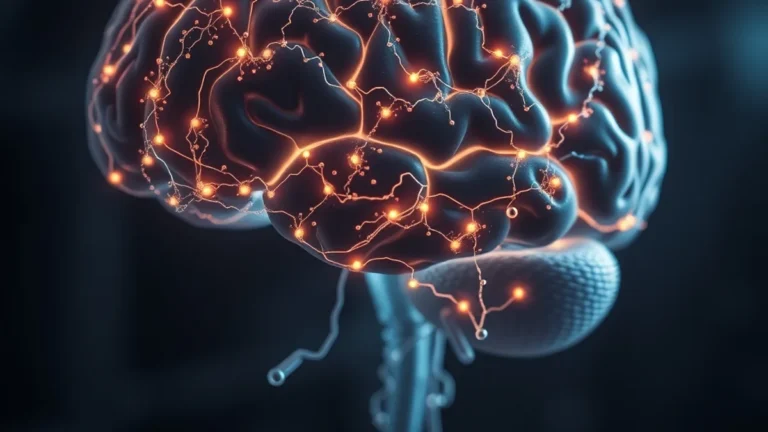
Neuroplasticity, the brain’s ability to reorganize itself by forming new neural connections, is significantly influenced by environmental factors, including social media usage. The constant connectivity provided by social media platforms can lead to synaptic rewiring, particularly in the developing brains of children. Research indicates that high-frequency social media engagement may enhance synaptic efficiency in areas related to social cognition, yet it may simultaneously impair the development of deeper cognitive skills such as critical thinking and empathy. This duality poses a challenge; while children may become adept at navigating social networks, they may struggle with face-to-face interactions and nuanced emotional understanding, essential components of healthy social development.
Empirical Behavioral Protocols: Assessing the Impact of Digital Interaction
To understand the behavioral implications of social media on children, empirical studies have employed various protocols to assess cognitive and emotional outcomes. For instance, longitudinal studies have tracked children’s social media habits alongside measures of academic performance, emotional well-being, and social skills. Findings suggest that children who engage in balanced social media use—characterized by moderated time online and active parental involvement—exhibit healthier emotional regulation and social skills compared to those with unregulated access. Interventions that promote mindful usage, such as scheduled breaks and discussions about online interactions, can mitigate adverse effects and foster resilience in children’s cognitive and emotional development.
Long-term Consequences: Navigating the Digital Landscape
The long-term consequences of social media on children’s brains are still unfolding, but preliminary evidence suggests potential risks for mental health and cognitive function. Increased exposure to social media has been linked to higher rates of anxiety, depression, and social isolation among youth. Moreover, the constant comparison to curated online personas can distort self-image and contribute to a negative feedback loop in self-esteem. As children grow up in a digital-first world, understanding these dynamics becomes crucial for developing strategies that promote healthy engagement with technology. Encouraging critical thinking about online content and fostering real-world connections can help mitigate some of the negative impacts associated with excessive social media use.
In summary, the interplay between social media and children’s brain development is complex and multifaceted. The influence of dopamine on reward processing, the challenges to prefrontal cortex development, the implications of synaptic rewiring, and the necessity for empirical behavioral protocols all underscore the need for a nuanced understanding of digital interactions. As we navigate this evolving landscape, it is essential to cultivate intentional neural pathways through deliberate behavioral habits, ensuring that children can thrive both online and offline.
Cultivating intentional neural pathways through deliberate behavioral habits is the most sustainable path to cognitive resilience.