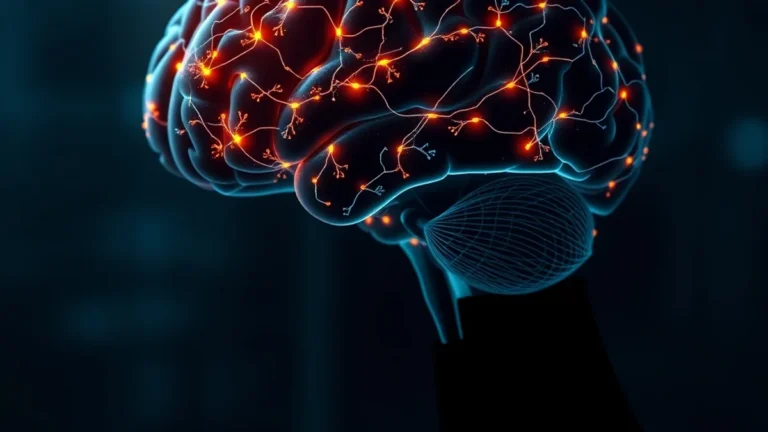
Exploring the Depths of Sleep: Light, Cycles, and Restorative Slumber
Understanding the intricacies of sleep requires an exploration of its various stages, neurochemical processes, and the profound impact it has on cognitive architecture. Sleep is not merely a passive state; it is an active period of memory consolidation, emotional regulation, and subconscious processing.
Decoding Sleep Architecture: The Stages of Restorative Slumber
Sleep is organized into distinct stages, primarily categorized into Non-Rapid Eye Movement (NREM) and Rapid Eye Movement (REM) sleep. NREM sleep is further divided into three stages: N1, N2, and N3, each representing a deeper level of sleep. Stage N1 is the lightest phase, where one drifts in and out of sleep, characterized by a reduction in muscle tone and a decrease in brain activity. As one transitions into N2, the body experiences a further drop in heart rate and body temperature, while sleep spindles and K-complexes emerge, indicating the brain’s preparation for deeper sleep. Stage N3, or slow-wave sleep (SWS), is the pinnacle of restorative sleep, marked by delta waves. This stage is crucial for physical recovery, immune function, and the consolidation of declarative memories.
REM sleep, on the other hand, is the stage where vivid dreaming occurs, and the brain exhibits activity levels similar to wakefulness. This paradoxical state plays a vital role in emotional regulation and the integration of complex information. The cyclical nature of these stages, typically repeating every 90 minutes, underscores the importance of a full night’s sleep in achieving optimal cognitive and emotional health.
Neurochemical Shifts: The Biochemical Ballet of Sleep
The neurochemistry of sleep is a complex interplay of neurotransmitters and hormones that orchestrate the transition between wakefulness and sleep. Key players include adenosine, gamma-aminobutyric acid (GABA), and melatonin. Adenosine accumulates in the brain during wakefulness, promoting sleepiness as it binds to receptors, inhibiting arousal pathways. GABA, the primary inhibitory neurotransmitter, facilitates the onset of sleep by reducing neuronal excitability, thereby allowing the brain to enter deeper stages of rest.
Melatonin, often referred to as the “sleep hormone,” is secreted by the pineal gland in response to darkness, signaling the body that it is time to sleep. Its levels peak during the night and decline with exposure to light, illustrating the intricate relationship between light exposure and sleep regulation. Disruptions to these neurochemical pathways, whether through lifestyle choices or environmental factors, can significantly impact sleep quality and, consequently, cognitive function and emotional stability.
Psychological Integration: The Role of Sleep in Memory Consolidation
Sleep serves as a critical mechanism for memory consolidation, enabling the brain to process and integrate information acquired during waking hours. During NREM sleep, particularly in the slow-wave phase, the brain replays and strengthens neural connections associated with newly learned information. This process is essential for transforming short-term memories into long-term storage, enhancing recall and learning efficiency.
Moreover, REM sleep contributes to the emotional processing of memories, allowing individuals to integrate experiences and regulate emotional responses. Studies have shown that individuals deprived of REM sleep exhibit heightened emotional reactivity and impaired memory recall. This underscores the necessity of both NREM and REM sleep in achieving a well-rounded cognitive and emotional state, highlighting the profound impact of sleep on psychological well-being.
Circadian Optimization: Synchronizing Sleep with Biological Rhythms
The circadian rhythm, a 24-hour internal clock, regulates various physiological processes, including the sleep-wake cycle. This rhythm is influenced by external cues, primarily light exposure, which helps synchronize the body’s biological functions with the environment. Disruption of circadian rhythms, often seen in shift workers or those with irregular sleep patterns, can lead to sleep disorders, metabolic issues, and cognitive impairments.
To optimize sleep, it is essential to align sleep schedules with natural circadian rhythms. This can be achieved by maintaining consistent sleep and wake times, minimizing exposure to artificial light in the evening, and maximizing natural light exposure during the day. Such practices not only enhance sleep quality but also improve overall cognitive performance and emotional health, reinforcing the importance of respecting our biological clocks.
The Interplay of Sleep and Subconscious Processing: A Deeper Understanding
Sleep is a unique state where the subconscious mind becomes highly active, engaging in processes that are often inaccessible during waking hours. This subconscious activity is crucial for problem-solving and creativity, as the brain synthesizes disparate pieces of information, leading to insights and novel ideas. The phenomenon of “sleeping on a problem” is not merely anecdotal; research indicates that REM sleep facilitates the integration of complex information, allowing for innovative solutions to emerge.
Furthermore, the subconscious mind plays a pivotal role in emotional processing during sleep. Dreams, often considered a reflection of our subconscious thoughts and feelings, can provide valuable insights into unresolved issues or emotional conflicts. By exploring these subconscious narratives, individuals may gain clarity and understanding, fostering emotional healing and personal growth. Thus, the interplay between sleep and subconscious processing is a vital area of exploration, revealing the profound impact of sleep on our cognitive and emotional landscapes.
In conclusion, the multifaceted nature of sleep encompasses a complex architecture of stages, neurochemical shifts, and psychological processes that collectively contribute to cognitive and emotional well-being. By honoring the restorative biology of sleep, we unlock the profound subconscious intelligence that fuels waking clarity and emotional equilibrium.
Honoring the restorative biology of sleep unlocks the profound subconscious intelligence that fuels waking clarity and emotional equilibrium.