Is Social Media Altering Children’s Brain Development? Insights
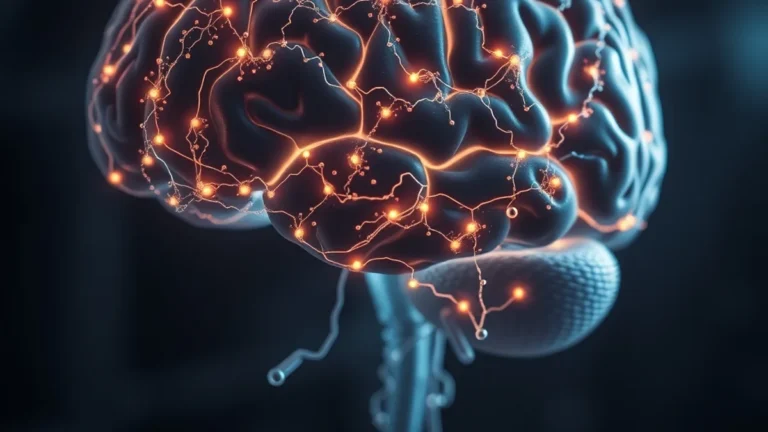
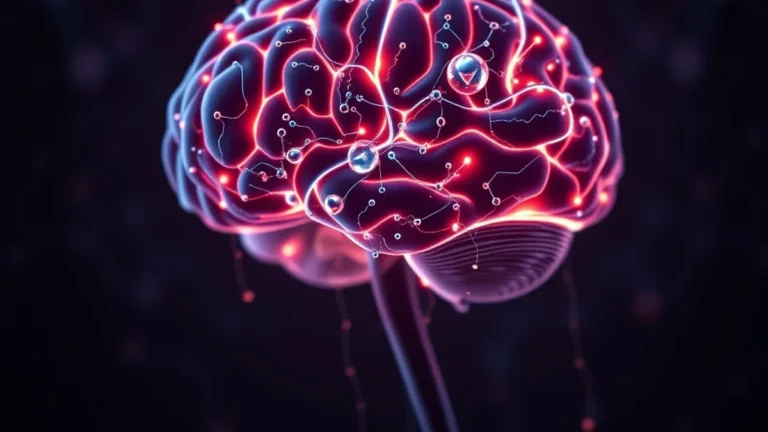
The pervasive influence of social media on children’s cognitive development is a pressing concern for parents, educators, and neuroscientists alike. Emerging research suggests that the neurobiological underpinnings of social media engagement are reshaping the developing brains of children, particularly in the realms of reward processing, emotional regulation, and social cognition.
Neurotransmitter Dynamics: The Dopaminergic Reward System
Social media platforms are designed to be engaging, often leveraging the brain’s dopaminergic reward pathways. When children receive likes, comments, or shares, a surge of dopamine—a neurotransmitter associated with pleasure and reward—occurs. This neurochemical cascade reinforces the behavior, making children more likely to seek out similar interactions. Studies indicate that excessive engagement with social media can lead to a hyperactive reward system, potentially diminishing the natural rewards derived from real-world interactions. The implications are profound: as children increasingly rely on digital affirmation, they may experience altered expectations regarding social interactions, leading to a diminished capacity for intrinsic motivation and satisfaction.
Prefrontal Cortex Regulation: Impacts on Decision-Making and Impulse Control
The prefrontal cortex (PFC) is crucial for executive functions, including decision-making, impulse control, and emotional regulation. The constant stimulation from social media can disrupt the maturation of the PFC in developing brains. Research indicates that frequent exposure to rapid feedback loops may impair the PFC’s ability to regulate emotions and behaviors effectively. For instance, children may struggle to delay gratification or make thoughtful decisions when they are accustomed to the instant rewards of online interactions. This shift in cognitive processing can lead to impulsive behaviors both online and offline, as the neural circuitry responsible for self-regulation becomes less effective.
Synaptic Rewiring: The Plasticity of the Developing Brain
Neuroplasticity, the brain’s ability to reorganize itself by forming new neural connections, is particularly pronounced during childhood. Social media use can drive synaptic rewiring, as the brain adapts to the stimuli it encounters. Studies utilizing functional MRI have shown that children who engage heavily with social media exhibit altered connectivity patterns in brain regions associated with social cognition, such as the temporoparietal junction and the medial prefrontal cortex. This synaptic reconfiguration may enhance certain skills, such as digital literacy, but it can also lead to deficits in face-to-face communication and empathy. The challenge lies in balancing the benefits of digital engagement with the potential costs to social-emotional development.
Empirical Behavioral Protocols: Measuring the Impact of Digital Engagement
To understand the ramifications of social media on children’s brains, researchers are employing a variety of empirical behavioral protocols. Longitudinal studies are particularly valuable, as they track changes in cognitive and emotional functioning over time. For example, researchers have developed assessments that measure attention span, emotional regulation, and social skills in relation to social media use. These studies often reveal a correlation between high social media usage and increased anxiety, depression, and social isolation. By employing rigorous methodologies, scientists can delineate the complex interplay between digital engagement and psychological outcomes, providing critical insights for parents and educators.
Neurochemical Interplay: The Role of GABA, Serotonin, and Glutamate
While dopamine is often highlighted in discussions about social media, other neurotransmitters such as GABA, serotonin, and glutamate also play significant roles in shaping children’s responses to digital environments. GABA, an inhibitory neurotransmitter, helps regulate anxiety and stress responses. Increased social media use can lead to heightened anxiety levels, potentially disrupting GABAergic signaling and exacerbating feelings of unease. Additionally, serotonin, which is linked to mood regulation, may be affected by the social comparison often prevalent on these platforms. Fluctuations in serotonin levels can lead to mood disorders, particularly in children who are sensitive to peer feedback. Glutamate, the primary excitatory neurotransmitter, is involved in learning and memory; excessive stimulation from social media may lead to excitotoxicity, where neurons become overstimulated and damaged, further complicating cognitive development.
In summary, the intersection of social media and children’s brain development is a complex landscape characterized by significant neurobiological changes. The dynamic interplay of neurotransmitters, the impact on executive function, and the potential for synaptic rewiring underscore the need for careful consideration of children’s digital engagement. As we navigate this evolving terrain, it is essential to foster environments that promote healthy cognitive and emotional development.
Cultivating intentional neural pathways through deliberate behavioral habits is the most sustainable path to cognitive resilience.