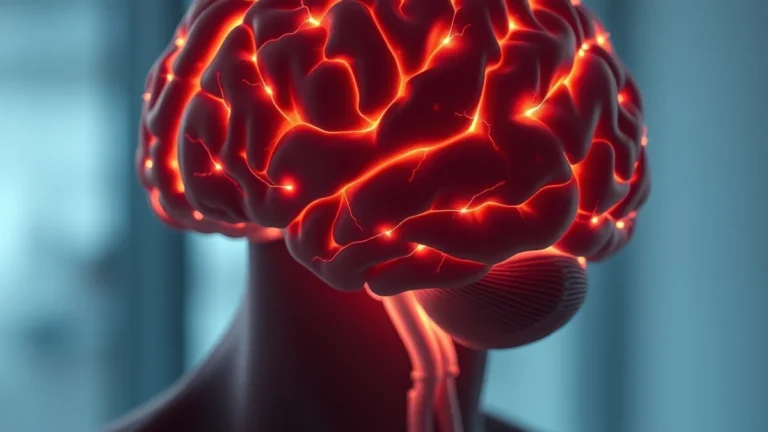
Unlocking BDNF: How Exercise and Fasting Boost Neurogenesis
The interplay between Brain-Derived Neurotrophic Factor (BDNF), exercise, and fasting reveals profound implications for neurogenesis and cognitive function. BDNF acts as a critical neurotrophic factor that supports neuronal survival, growth, and differentiation, thereby influencing learning and memory processes. This editorial guide delves into the mechanistic underpinnings of BDNF regulation through lifestyle interventions, elucidating the neurochemical cascades that underpin synaptic plasticity and cognitive resilience.
Neurochemical Cascades: The Role of BDNF in Neuroplasticity
BDNF is a pivotal player in the neurochemical landscape, orchestrating a complex interplay of signaling pathways that govern neuroplasticity. Upon activation, BDNF binds to its high-affinity receptor, TrkB, initiating a cascade of intracellular signaling that includes the phosphoinositide 3-kinase (PI3K) and mitogen-activated protein kinase (MAPK) pathways. These pathways facilitate the transcription of genes essential for synaptic growth and remodeling, thereby enhancing synaptic efficacy. Notably, BDNF also modulates the release of neurotransmitters such as glutamate, which is instrumental in synaptic transmission and plasticity. This neurotrophic factor not only promotes the survival of existing neurons but also stimulates the proliferation and differentiation of neural progenitor cells, thereby fostering neurogenesis in regions such as the hippocampus.
Prefrontal Cortex Regulation: BDNF’s Influence on Executive Function
The prefrontal cortex (PFC) is integral to higher-order cognitive functions, including decision-making, impulse control, and social behavior. BDNF’s role in the PFC is particularly noteworthy, as it influences synaptic connectivity and the overall architecture of neural circuits involved in executive function. Research indicates that elevated BDNF levels enhance the synaptic plasticity of PFC neurons, thereby improving cognitive flexibility and working memory. Conversely, reduced BDNF signaling in the PFC has been associated with cognitive deficits and mood disorders, underscoring the importance of maintaining optimal BDNF levels through lifestyle choices. Interventions such as aerobic exercise and caloric restriction have been shown to upregulate BDNF expression, suggesting that these behaviors can enhance prefrontal regulation and cognitive performance.
Synaptic Rewiring: The Impact of Exercise on BDNF Expression
Physical activity serves as a potent modulator of BDNF expression, with numerous studies demonstrating that aerobic exercise significantly elevates serum BDNF levels. The mechanisms underlying this phenomenon are multifaceted; exercise-induced mechanical stress on muscle fibers stimulates the release of myokines, including irisin, which has been implicated in BDNF signaling. Additionally, exercise promotes angiogenesis and increases cerebral blood flow, facilitating the delivery of oxygen and nutrients essential for neuronal health. The resultant increase in BDNF not only enhances synaptic plasticity but also supports the survival of newly generated neurons, thereby contributing to cognitive improvements. Furthermore, regular physical activity has been linked to reduced neuroinflammation, which can further optimize the neurotrophic environment for synaptic rewiring.
Fasting and Neurogenesis: The Interplay of Metabolism and BDNF
Fasting, particularly intermittent fasting, has emerged as a potent regulator of BDNF and neurogenesis. Caloric restriction induces a metabolic shift that enhances the expression of BDNF through the activation of sirtuins and the AMP-activated protein kinase (AMPK) pathway. These pathways promote mitochondrial biogenesis and enhance cellular energy efficiency, creating a favorable environment for neuronal growth and survival. Research indicates that fasting not only increases BDNF levels but also stimulates the proliferation of neural progenitor cells in the hippocampus, thereby enhancing neurogenesis. Moreover, fasting has been shown to reduce oxidative stress and inflammation, further supporting the neuroprotective effects of BDNF. The synergistic effects of fasting and exercise on BDNF expression suggest that these lifestyle interventions can be strategically combined to optimize cognitive function and brain health.
Empirical Behavioral Protocols: Integrating Exercise and Fasting for Optimal BDNF Levels
To harness the benefits of BDNF for cognitive resilience, individuals can adopt empirical behavioral protocols that integrate both exercise and fasting. A structured regimen of aerobic exercise, such as running or cycling, performed at least three to four times a week, can significantly elevate BDNF levels. Coupled with intermittent fasting protocols—such as the 16:8 method, where individuals fast for 16 hours and eat within an 8-hour window—these practices can synergistically enhance neurogenesis and cognitive function. Additionally, incorporating resistance training may further amplify the effects of aerobic exercise on BDNF, as it also stimulates muscle-derived myokines that promote neuroplasticity. Monitoring dietary intake to ensure adequate protein and micronutrient consumption during eating windows can further support the metabolic processes necessary for optimal BDNF expression.
In summary, the intricate relationship between BDNF, exercise, and fasting underscores the potential for lifestyle interventions to foster neurogenesis and enhance cognitive function. Understanding the mechanistic pathways involved allows for the development of targeted behavioral strategies that can promote brain health and resilience.
Cultivating intentional neural pathways through deliberate behavioral habits is the most sustainable path to cognitive resilience.