Expert Tips for Better Sleep in Hotels: Science-Based Strategies
Sleeping well in a hotel can be a challenge due to unfamiliar environments and disrupted routines. However, understanding the neurobiological mechanisms of sleep can empower travelers to optimize their rest, enhancing memory consolidation and emotional regulation during their stay.
Neurochemical Foundations of Sleep Quality
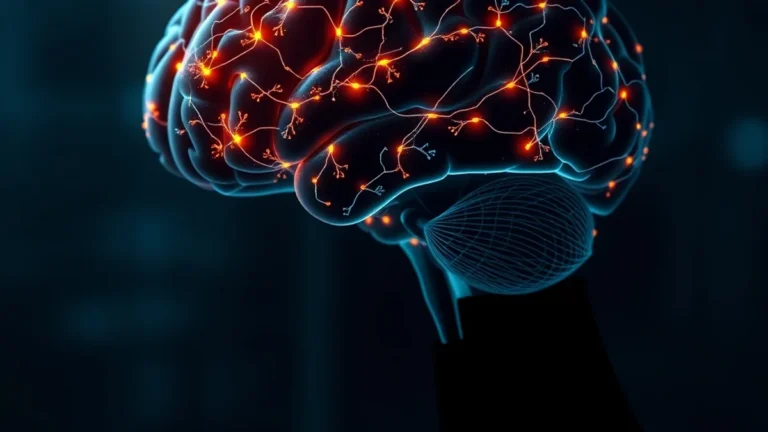
Sleep is governed by a complex interplay of neurochemicals that regulate our circadian rhythms and sleep architecture. Key players include melatonin, which signals the onset of sleep, and adenosine, which accumulates during wakefulness and promotes sleep pressure. In hotel settings, where light exposure and environmental cues differ from home, melatonin production can be disrupted. To counteract this, travelers should consider using blackout curtains and minimizing blue light exposure from devices before bedtime. Additionally, maintaining a consistent sleep schedule—even when traveling—can help stabilize circadian rhythms, facilitating the natural release of melatonin and enhancing sleep quality.
Environmental Factors: The Role of Sensory Input
The sensory environment of a hotel room can significantly impact sleep quality. Factors such as noise, temperature, and light levels are critical to achieving restorative sleep. Research indicates that noise pollution can fragment sleep cycles, leading to reduced REM sleep, which is essential for memory consolidation and emotional processing. To mitigate this, travelers should use earplugs or white noise machines to mask disruptive sounds. Furthermore, maintaining an optimal room temperature—typically between 60-67°F (15-19°C)—can enhance sleep onset and duration. This temperature range aligns with the body’s natural thermoregulation processes, promoting deeper sleep stages.
Psychological Integration: The Power of Familiarity and Routine
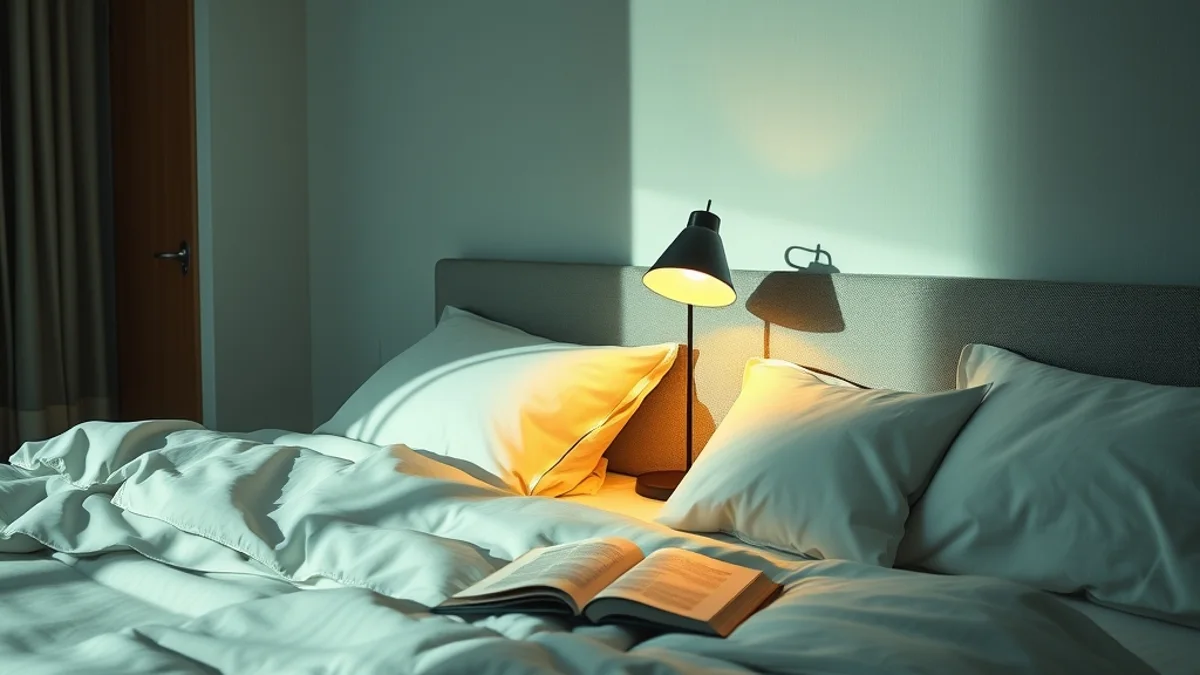
Psychological factors play a crucial role in sleep quality, particularly in unfamiliar settings. The concept of “sleep hygiene” extends beyond physical conditions to include mental preparedness for sleep. Engaging in familiar pre-sleep rituals—such as reading or meditative practices—can signal the brain that it is time to wind down, facilitating the transition into sleep. Cognitive behavioral strategies, such as journaling to alleviate anxiety or practicing mindfulness, can also be effective in reducing pre-sleep arousal. By creating a sense of familiarity and safety, travelers can enhance psychological comfort, thereby improving sleep quality.
Circadian Optimization: Aligning with Natural Rhythms
Travelers often experience disruptions to their circadian rhythms, particularly when crossing time zones. This misalignment can lead to sleep disorders such as jet lag, characterized by fatigue, irritability, and cognitive impairment. To combat this, it is essential to gradually adjust sleep schedules before departure, aligning wake and sleep times with the destination’s time zone. Once at the hotel, exposure to natural light during the day can help reset the circadian clock, while avoiding bright screens in the evening can promote melatonin production. Additionally, strategic use of caffeine can enhance alertness during the day without interfering with sleep onset at night.
Integrative Strategies: Combining Science with Practicality
Combining the scientific insights from sleep research with practical strategies can significantly enhance sleep quality in hotel settings. Travelers should invest in portable sleep aids, such as travel pillows or sleep masks, to create a more comfortable and familiar sleep environment. Incorporating relaxation techniques, such as deep breathing or progressive muscle relaxation, can also facilitate the transition to sleep. Furthermore, maintaining hydration and avoiding heavy meals close to bedtime can prevent discomfort that disrupts sleep. By integrating these strategies, travelers can harness the power of sleep science to optimize their rest, ensuring they wake refreshed and ready to engage with their surroundings.
Honoring the restorative biology of sleep unlocks the profound subconscious intelligence that fuels waking clarity and emotional equilibrium.