Astrocytes: Key Players in Sustaining Brain Activity and Blood Flow
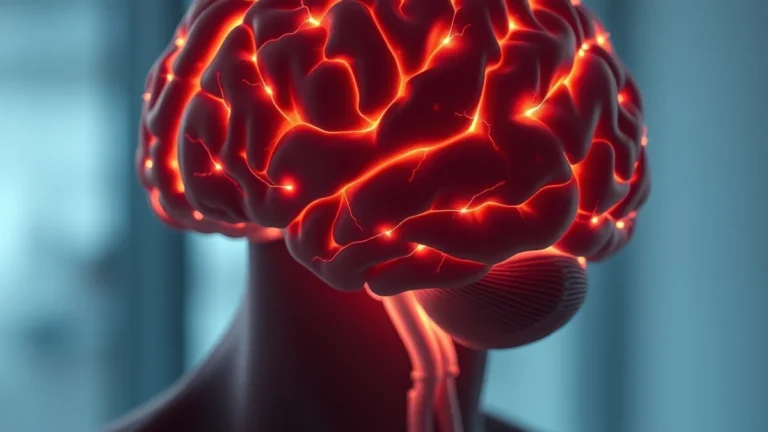
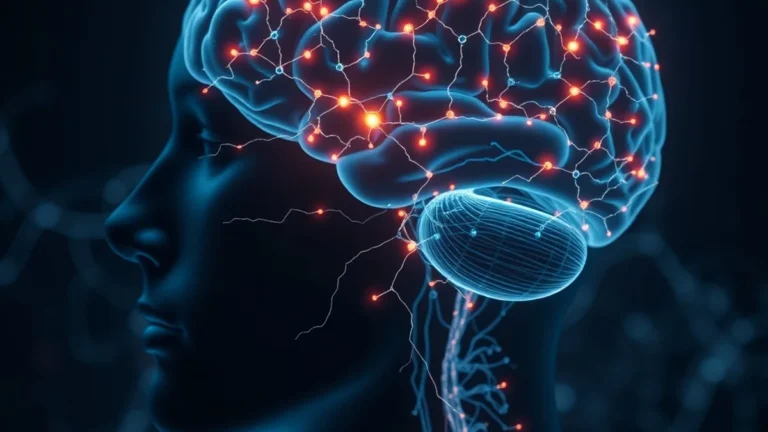
Astrocytes, the star-shaped glial cells in the brain, play a critical role in sustaining brain activity and regulating blood flow during prolonged sensory stimulation. Their interaction with neurons and vascular systems is vital for maintaining cognitive performance and neural health, particularly under conditions of heightened sensory input.
Neurotransmitter Dynamics: The Role of Astrocytes in Synaptic Transmission
Astrocytes are pivotal in modulating neurotransmitter dynamics, particularly glutamate, the primary excitatory neurotransmitter in the brain. During prolonged sensory stimulation, astrocytes uptake excess glutamate from the synaptic cleft, preventing excitotoxicity and maintaining synaptic homeostasis. This process is facilitated by specific glutamate transporters located on astrocytic membranes, which ensure that synaptic transmission remains efficient and balanced. Furthermore, astrocytes release gliotransmitters, such as D-serine, which enhance NMDA receptor activation on adjacent neurons, thereby promoting synaptic plasticity and learning. This intricate interplay between astrocytes and neurons underscores the importance of glial cells in sustaining cognitive functions during extended periods of sensory engagement.
Prefrontal Cortex Regulation: Astrocytic Influence on Executive Function
The prefrontal cortex (PFC) is essential for higher-order cognitive processes, including decision-making and impulse control. Astrocytes in the PFC modulate local blood flow through their interactions with neurons and the vascular system, ensuring that energy demands are met during intense cognitive tasks. This regulation is mediated by the release of vasoactive substances, such as prostaglandins, which induce vasodilation in response to neuronal activity. Additionally, astrocytic calcium signaling has been shown to influence blood flow dynamics, linking neural activity with metabolic support. This astrocytic-neuronal coupling is crucial for maintaining cognitive performance, particularly in tasks requiring sustained attention and executive function, highlighting the role of astrocytes as integrators of metabolic and neural demands.
Synaptic Rewiring: The Adaptive Capacity of Astrocytes
Astrocytes are not merely passive supporters of neuronal function; they actively participate in synaptic rewiring and remodeling. Under conditions of prolonged sensory input, astrocytes can undergo morphological changes, extending their processes to form new contacts with neurons. This plasticity allows them to modulate synaptic strength and connectivity, essential for learning and memory formation. Research has demonstrated that astrocytic activation can lead to the release of neurotrophic factors, such as brain-derived neurotrophic factor (BDNF), which promotes synaptic growth and survival. By facilitating these adaptive changes, astrocytes contribute to the brain’s ability to reorganize itself in response to ongoing sensory experiences, underscoring their role in cognitive flexibility and resilience.
Empirical Behavioral Protocols: Investigating Astrocytic Function
To better understand the role of astrocytes in sustaining brain activity, researchers have developed various empirical behavioral protocols. These often involve sensory tasks that require prolonged engagement, such as attention tasks or working memory challenges. Advanced imaging techniques, including two-photon microscopy, allow for real-time observation of astrocytic activity during these tasks. Additionally, pharmacological interventions targeting astrocytic signaling pathways can elucidate the specific contributions of these cells to cognitive performance. For instance, manipulating glutamate transporter activity can reveal the effects of astrocytic modulation on synaptic efficacy and behavioral outcomes. Such studies not only enhance our understanding of astrocytic function but also pave the way for potential therapeutic strategies aimed at enhancing cognitive resilience through targeted astrocytic interventions.
Integrating Astrocytic Function into Neurocognitive Models
The traditional view of the brain has often emphasized neuronal activity as the primary driver of cognitive processes. However, recent findings highlight the necessity of integrating astrocytic function into neurocognitive models. By acknowledging the role of astrocytes in neurotransmitter regulation, blood flow dynamics, and synaptic plasticity, researchers can develop more comprehensive frameworks for understanding brain function. This integrative approach may lead to novel insights into neurodegenerative diseases and cognitive disorders, where astrocytic dysfunction may play a critical role. As we continue to unravel the complexities of astrocytic contributions, it becomes increasingly clear that these glial cells are essential for maintaining cognitive health and resilience in the face of prolonged sensory challenges.
Cultivating intentional neural pathways through deliberate behavioral habits is the most sustainable path to cognitive resilience.