Weight-Loss Hormones GLP-1 and GIP: A New Hope Against Alzheimer’s
The recent findings published in the Chinese Medical Journal illuminate the intricate relationship between weight-loss hormones GLP-1 (glucagon-like peptide-1) and GIP (gastric inhibitory polypeptide) and their potential roles in mitigating Alzheimer’s disease. This editorial explores how these hormones can influence neurochemical pathways, thereby reshaping dietary, sleep, exercise, and addiction behaviors that are crucial for cognitive health.
Neurochemical Interplay: GLP-1 and GIP in Cognitive Function
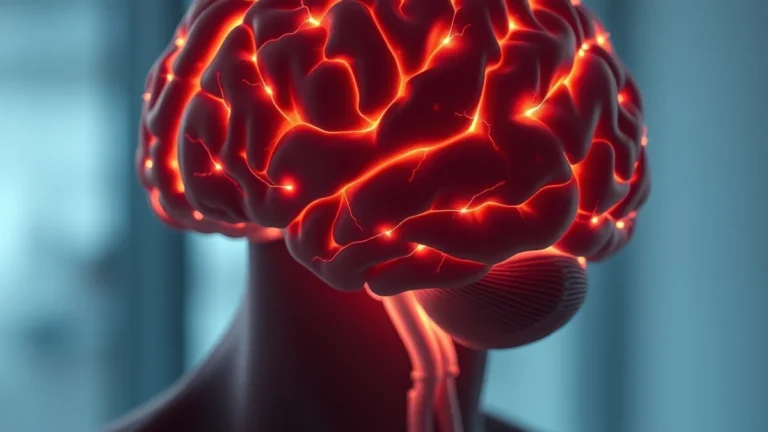
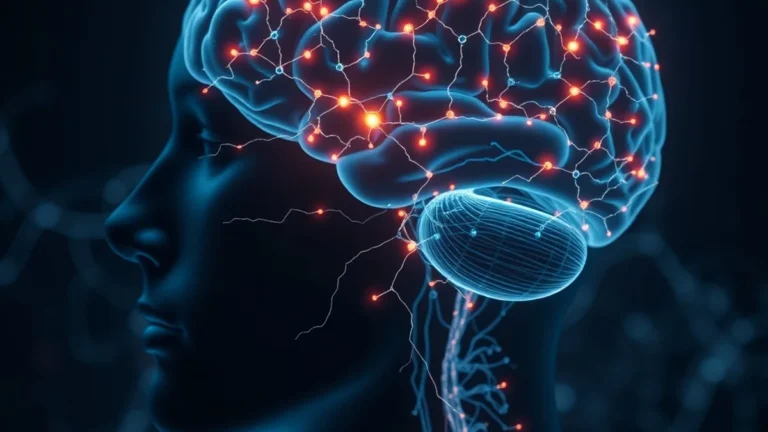
GLP-1 and GIP, primarily known for their roles in glucose metabolism and appetite regulation, have emerged as critical players in brain health. These hormones influence neurotransmitter dynamics, particularly in the hippocampus and prefrontal cortex, regions integral to memory and executive function. GLP-1 receptors are densely populated in the brain, where their activation has been linked to enhanced synaptic plasticity and neuroprotection. This neuroprotective effect is mediated through the modulation of glutamate and GABA neurotransmission, fostering an environment conducive to learning and memory retention. GIP, while less studied in the context of neuroprotection, appears to synergize with GLP-1, potentially amplifying these cognitive benefits through complementary pathways.
Prefrontal Cortex Regulation: A Behavioral Nexus
The prefrontal cortex (PFC) serves as a pivotal hub for executive functions, including decision-making, impulse control, and emotional regulation. The interplay between GLP-1 and GIP can enhance PFC activity, promoting healthier behavioral choices. Research indicates that GLP-1 signaling can increase dopamine availability, which is crucial for motivation and reward processing. This mechanism suggests that individuals with elevated GLP-1 levels may experience improved self-regulation regarding food intake and addictive behaviors, thereby reducing the risk factors associated with Alzheimer’s. Furthermore, the modulation of serotonin pathways by these hormones may also contribute to mood stabilization, further supporting cognitive resilience.
Synaptic Rewiring: The Role of Hormonal Influence on Neuroplasticity
The concept of synaptic rewiring is central to understanding how lifestyle interventions can impact cognitive health. GLP-1 has been shown to promote neurogenesis and synaptic remodeling, particularly in the context of learning and memory tasks. By enhancing brain-derived neurotrophic factor (BDNF) signaling, GLP-1 facilitates the growth and differentiation of neurons, which is essential for maintaining cognitive flexibility. This synaptic plasticity is crucial for adapting to new information and experiences, thereby fortifying the brain against neurodegenerative processes. GIP’s role in this context, while still emerging, suggests a collaborative effect on enhancing synaptic efficacy, potentially leading to improved cognitive outcomes.
Empirical Behavioral Protocols: Integrating Hormonal Insights into Lifestyle Modifications
The implications of GLP-1 and GIP on cognitive health extend beyond mere hormonal understanding; they necessitate actionable behavioral protocols. Interventions targeting diet, sleep, exercise, and addiction can be strategically designed to harness the benefits of these hormones. For instance, a diet rich in fiber and healthy fats can enhance GLP-1 secretion, promoting satiety and reducing caloric intake. Regular physical activity not only stimulates GLP-1 release but also enhances neuroplasticity through increased BDNF levels. Additionally, optimizing sleep hygiene can regulate hormonal balance, further supporting cognitive function. Addressing addiction, particularly to sugar and processed foods, through behavioral therapies can mitigate the risk of cognitive decline by leveraging the neurochemical pathways influenced by GLP-1 and GIP.
Conclusion: The Interconnectedness of Hormones and Cognitive Health
The intricate relationship between GLP-1, GIP, and cognitive health underscores the importance of a holistic approach to Alzheimer’s prevention. By understanding the neurochemical cascades and behavioral implications of these hormones, we can cultivate intentional habits that promote cognitive resilience. As research continues to unfold, the potential for integrating these insights into practical applications for brain health becomes increasingly promising.
Cultivating intentional neural pathways through deliberate behavioral habits is the most sustainable path to cognitive resilience.