How Hearing Loss Enhances Peripheral Vision Through Neural Changes
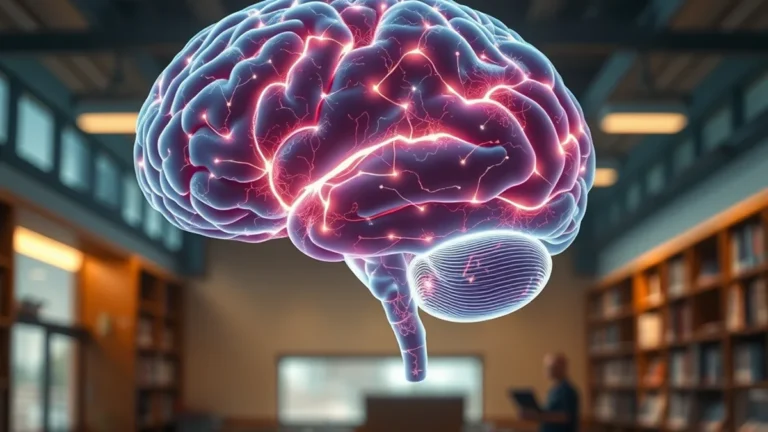
The intriguing relationship between sensory modalities reveals that hearing loss may enhance peripheral vision by modulating the activity of visual cortex neurons. This phenomenon underscores the brain’s remarkable plasticity and its ability to reorganize neural circuits in response to sensory deficits. Understanding the neurochemical underpinnings of this adaptation provides insights into the intricate interplay between auditory and visual processing.
Neurochemical Dynamics: The Role of GABA and Glutamate in Sensory Integration
The visual cortex is a hub of complex neural interactions, primarily governed by excitatory and inhibitory neurotransmitters, notably glutamate and GABA (gamma-aminobutyric acid). Glutamate, the principal excitatory neurotransmitter, facilitates synaptic transmission and plasticity, while GABA serves as the primary inhibitory neurotransmitter, modulating neuronal excitability. In individuals with hearing loss, the reduction in auditory input may lead to a compensatory increase in visual processing efficiency. This adaptation could be mediated by altered GABAergic activity, which may enhance the signal-to-noise ratio in visual perception.
Research indicates that diminished auditory stimuli can lead to a reallocation of resources within the brain, resulting in heightened visual acuity. The balance between GABAergic inhibition and glutamatergic excitation is crucial in this context. When auditory input decreases, the visual cortex may experience a relative increase in glutamatergic signaling, promoting enhanced visual processing capabilities. This shift in neurotransmitter dynamics not only sharpens peripheral vision but also underscores the brain’s capacity for functional reorganization in response to sensory deprivation.
Prefrontal Cortex Regulation: Executive Control and Sensory Compensation
The prefrontal cortex (PFC) plays a pivotal role in higher-order cognitive functions, including attention, decision-making, and sensory integration. In the context of hearing loss, the PFC may exert regulatory control over the visual cortex, facilitating enhanced peripheral vision through top-down processing mechanisms. This executive control allows the brain to prioritize visual stimuli, effectively compensating for the lack of auditory information.
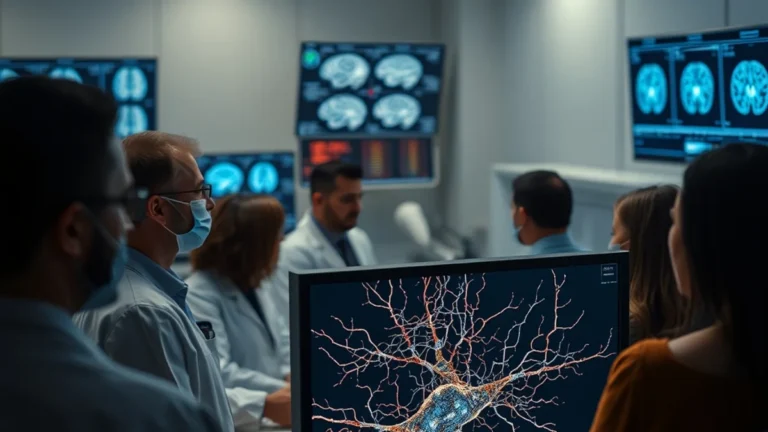
Neuroimaging studies have demonstrated that individuals with hearing loss exhibit increased activation in the PFC during visual tasks, suggesting that the brain reallocates cognitive resources to optimize visual processing. The PFC’s modulation of visual cortex activity may involve dopaminergic pathways, where dopamine enhances synaptic plasticity and promotes adaptive changes in response to altered sensory experiences. This neurochemical interplay not only highlights the importance of the PFC in sensory compensation but also emphasizes the role of executive function in maintaining cognitive resilience amidst sensory deficits.
Synaptic Rewiring: The Mechanisms of Cortical Plasticity
Cortical plasticity refers to the brain’s ability to reorganize itself by forming new synaptic connections in response to experience or injury. In the case of hearing loss, synaptic rewiring within the visual cortex may occur as a result of increased visual demands. This process is facilitated by neurotrophic factors, such as brain-derived neurotrophic factor (BDNF), which promote neuronal survival and synaptic growth.
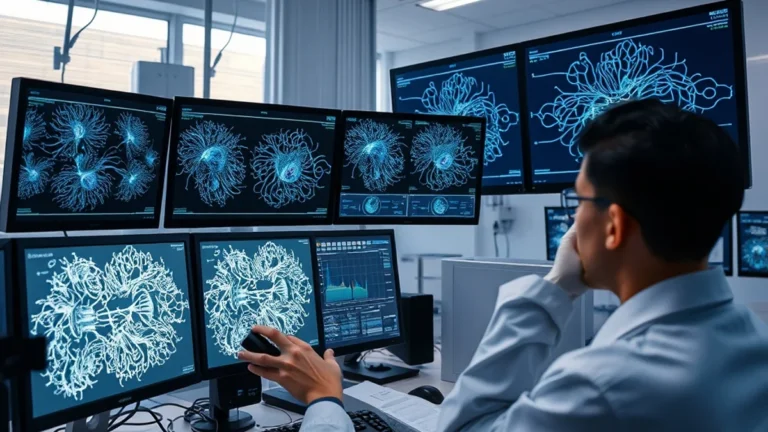
Studies have shown that individuals with hearing impairment often exhibit enhanced visual processing capabilities, particularly in peripheral vision tasks. This enhancement can be attributed to synaptic changes in the visual cortex, where neurons may develop new connections in response to increased visual stimuli. The interplay between glutamate and BDNF is particularly significant, as glutamate signaling can stimulate BDNF release, further promoting synaptic plasticity. Consequently, the visual cortex adapts to compensate for the loss of auditory input, illustrating the dynamic nature of neural circuits in response to sensory changes.
Empirical Behavioral Protocols: Enhancing Visual Acuity through Targeted Interventions
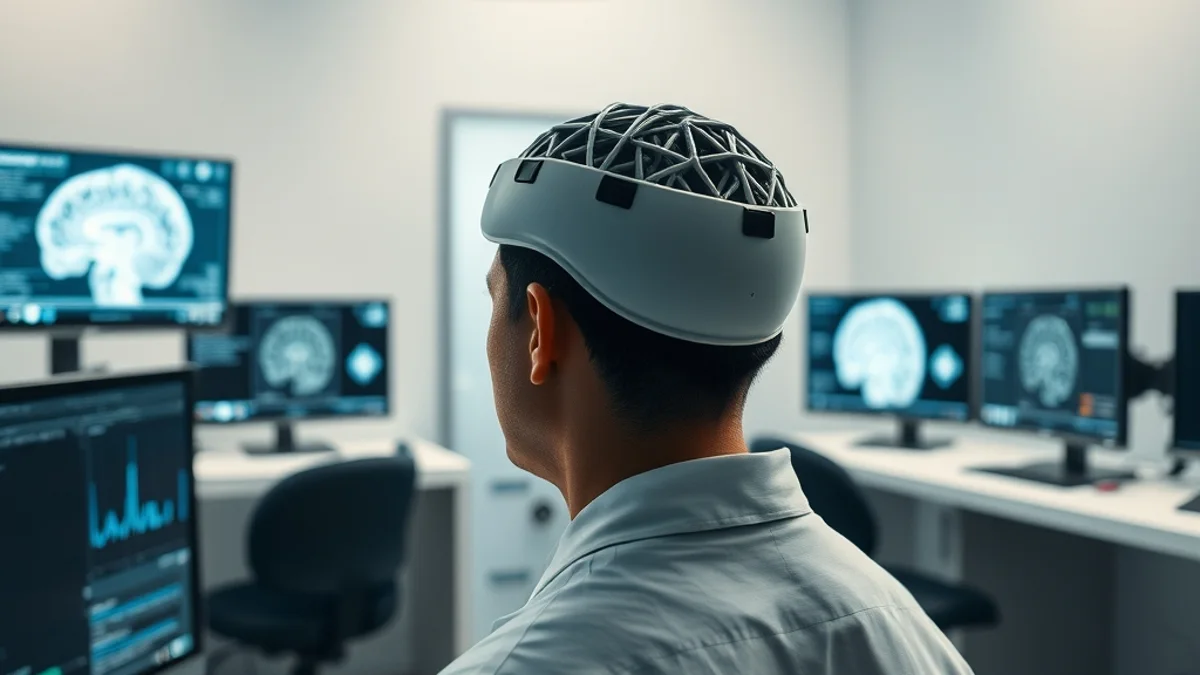
To harness the brain’s adaptive capabilities, targeted behavioral interventions can be employed to enhance visual acuity in individuals with hearing loss. These interventions may include visual training exercises designed to improve peripheral vision and overall visual processing efficiency. By engaging in activities that challenge visual perception, such as dynamic visual tasks or contrast sensitivity training, individuals can stimulate the visual cortex and promote synaptic plasticity.
Additionally, mindfulness practices that enhance attentional control may further optimize visual processing. Research has shown that mindfulness meditation can increase gray matter density in the PFC, potentially enhancing its regulatory influence over sensory integration. By cultivating focused attention and awareness, individuals can strengthen the neural pathways associated with visual processing, thereby improving peripheral vision and compensating for auditory deficits.
Incorporating these empirical protocols into rehabilitation programs for individuals with hearing loss can facilitate cognitive resilience and enhance overall sensory integration. By leveraging the brain’s plasticity, it is possible to optimize visual processing capabilities and improve quality of life for those affected by sensory impairments.
Conclusion: The Interconnectedness of Sensory Modalities and Cognitive Resilience
The interplay between hearing loss and enhanced peripheral vision exemplifies the brain’s remarkable ability to adapt and reorganize in response to sensory changes. Through neurochemical dynamics involving GABA, glutamate, and dopamine, as well as the regulatory influence of the prefrontal cortex, individuals can experience heightened visual acuity despite auditory deficits. Synaptic rewiring and targeted behavioral interventions further underscore the potential for cognitive resilience in the face of sensory challenges.
Cultivating intentional neural pathways through deliberate behavioral habits is the most sustainable path to cognitive resilience.